Choosing Quality Artisan Bread for You: A Warm Guide to Finding Your Perfect Loaf
- bobylon8
- Apr 27
- 4 min read
There is something truly magical about artisan bread. The crackling crust, the chewy crumb, the rich aroma that fills your kitchen - it’s a sensory experience that goes beyond just eating. But with so many types of artisan bread out there, how do you find the one that’s just right for you? Whether you’re a seasoned bread lover or just starting your journey, I’m here to walk you through the delightful world of artisan bread and help you discover your perfect match.
Choosing Quality Artisan Bread: What to Look For
When you step into a bakery or browse a local market, the variety of artisan breads can be overwhelming. But don’t worry! Choosing quality artisan bread is easier than you think once you know what to look for.
First, check the ingredients. The best artisan breads use simple, natural ingredients: flour, water, salt, and natural leavening like sourdough starter or yeast. Avoid breads with preservatives, artificial additives, or excessive sugar. Quality ingredients mean better flavor and health benefits.
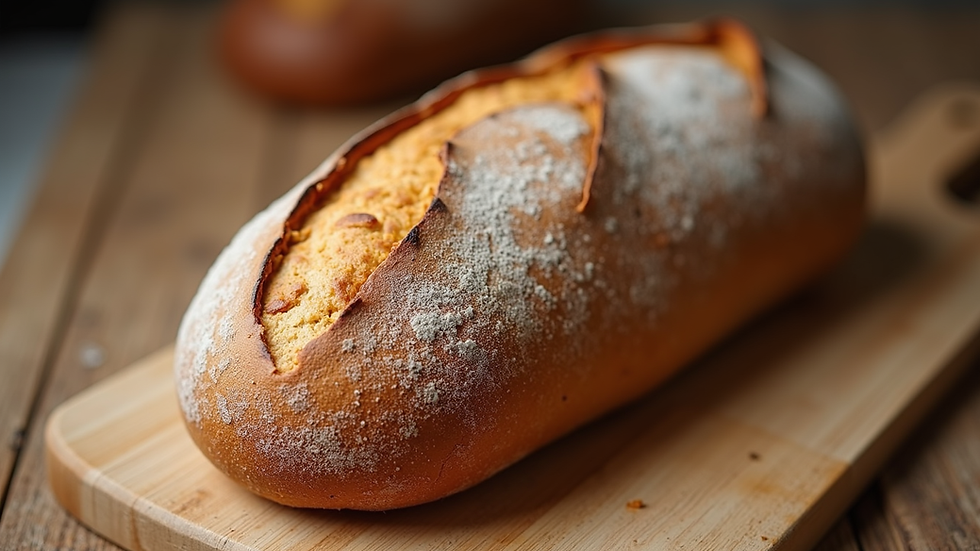
Next, look at the crust and crumb. A good artisan bread has a thick, crunchy crust that crackles when you break it open. The crumb (the inside texture) should be open and airy with irregular holes, showing that the dough was well-fermented. Dense, uniform crumbs often mean the bread was rushed or made with commercial yeast only.
Don’t forget to smell the bread! A fresh loaf will have a slightly tangy, nutty aroma, especially if it’s sourdough. If it smells bland or overly yeasty, it might not be as fresh or naturally fermented.
Finally, consider the appearance and shape. Artisan breads are often hand-shaped, so they might not be perfectly uniform. This rustic look is a sign of traditional methods and care.

Exploring Different Types of Artisan Bread
Artisan bread comes in many shapes, flavors, and textures. Let’s explore some popular types so you can find what suits your taste and lifestyle best.
Sourdough: This is the classic artisan bread, made with a natural starter that ferments the dough slowly. It has a tangy flavor, chewy texture, and a thick crust. Sourdough is versatile and pairs well with everything from butter to savory toppings.
Baguette: The iconic French bread with a thin, crispy crust and a light, airy crumb. Perfect for sandwiches or dipping in olive oil.
Ciabatta: An Italian bread with a soft, porous crumb and a slightly crispy crust. It’s great for paninis or as a side for soups.
Multigrain: Made with a mix of whole grains and seeds, this bread offers a nutty flavor and extra fiber. It’s a hearty choice for health-conscious eaters.
Rye Bread: Dense and flavorful, rye bread often has a slightly sour taste and pairs wonderfully with strong cheeses and smoked meats.
Each type has its own charm and best uses. Think about what you usually eat with bread and what flavors you enjoy. This will guide you toward your perfect artisan loaf.
Is Artisan Bread Good for Diabetics?
If you’re mindful of blood sugar levels, you might wonder if artisan bread fits into your diet. The good news is that many artisan breads, especially sourdough, can be a better choice than commercial white bread.
Why? The slow fermentation process in sourdough breaks down some of the carbohydrates and gluten, which can lead to a lower glycemic index. This means it causes a slower, steadier rise in blood sugar. Plus, artisan breads often use whole grains and seeds, adding fiber that helps regulate blood sugar.
However, portion control is key. Even the healthiest bread can impact blood sugar if eaten in large amounts. Pair your bread with protein, healthy fats, or fiber-rich foods to balance your meal.
If you have diabetes or blood sugar concerns, it’s always a good idea to consult your healthcare provider about including artisan bread in your diet.
Tips for Storing and Enjoying Your Artisan Bread
Once you’ve chosen your perfect artisan bread, you want to keep it fresh and delicious as long as possible. Here are some friendly tips to help you enjoy every crumb:
Store at room temperature in a paper bag or bread box. Avoid plastic bags, which trap moisture and make the crust soggy.
Freeze extra bread if you won’t finish it within a couple of days. Slice it first, then freeze in an airtight bag. Toast slices straight from the freezer for a fresh taste.
Refresh stale bread by sprinkling it with water and warming it in the oven at 350°F for 5-10 minutes. This brings back some of the crust’s crunch and softens the crumb.
Get creative with leftovers! Use stale bread for croutons, bread pudding, or French toast. Nothing goes to waste in the world of artisan bread.

Finding Your Perfect Artisan Bread: A Personal Journey
Choosing artisan bread is a bit like choosing a new friend - it takes some tasting, experimenting, and discovering what feels right for you. Don’t be afraid to try different types, bakeries, and recipes. Ask questions about the baking process, ingredients, and origins. The more you learn, the more you’ll appreciate the craft behind each loaf.
If you want to dive deeper into the art of bread selection, check out this helpful guide on how to choose artisan bread. It’s packed with tips that make the process fun and easy.
Remember, artisan bread is not just food - it’s a celebration of tradition, quality, and flavor. When you find your perfect loaf, every bite feels like a little moment of joy.
So, what are you waiting for? Grab a fresh loaf, slice it thick, and savor the wonderful world of artisan bread today!


Comments